


My investment strategy is having no investment strategy. In a manner of speaking, I do not even look too much at the sector. I do not look too much at the macro. I do not look too much at anything, just the company. If I like the company, I do not care about anything else, and if it is at what I think is a decent price, I will buy it. I never look at it from the point of view of two months, three months, six months, even a year. I am always looking for the returns I have in mind, and I do not care whether they come in two months, two years or four years.
That mentality, I think, is probably something that most people who have made money in the US market over the last five, six years do not have, because of the way most stocks have moved in that time. People who started investing in the US in the last five, six years have not seen the kind of market that I have seen, and I have only been at this for seven, eight years myself. So why is that? Is it the geography, the difference between the market I was in and the US? Until last year my primary market was India. For a long time the only stock I owned in the US was Alphabet, and only since earlier this year have I been investing in the US actively. I think that is what makes the difference, and for that you need to understand the timeline.
Where my patience comes from
I started investing in 2018, and the market was not that good. Then COVID came in 2020. The Nifty 50, India’s main stock index, fell 38 percent in ten weeks, and I almost lost everything, because I was overleveraged and did not have the patience or the understanding to hold on to the companies I owned. The market started sliding again in October 2021, the Russia-Ukraine war came on top of that in February 2022, and by June the index was 17 percent below its high. Then, in January 2023, the Hindenburg report came: a US short seller accused the Adani group, one of the largest business groups in India, of stock manipulation and accounting fraud, the group denied all of it, its listed companies lost more than $100 billion of market value inside ten days, and the index fell with them for a few weeks. I kept hitting these bad phases, one after the other, and I never got back to where I was before each of them. Finally, in 2023, the bull market came, and the index was up about 20 percent that year. I made some pretty decent money in it, just not the way I had hoped, because I was too bullish on certain companies and some of the gains I was sitting on went away before I sold. And since the high of September 2024 the market has gone nowhere: two years later the index is 14 percent below that level, with one new high in January 2026 that did not hold.
The US market had its falls in the same years, COVID and 2022, and the S&P 500 came back from each of them and kept going. Since the start of 2020 the Nifty 50 has returned about 5 percent a year in dollar terms, and the S&P 500 about 14 percent a year. The US market has done extremely, extremely well.
Because of those years, I think I have mentally developed one thing, and that is lower expectations. I have learned to have lower expectations, but I also like so many companies, and if I believe in those companies I do not mind staying in them for two years, three years, four years. In the model portfolio account there are only seven companies we have added since July, and our live portfolio account holds four of those seven. I do not expect anything from them in six months, even twelve months, and I was fortunate enough to get about 40 percent from two of them already, which is not how I would have planned it. So how do I pick them, if there is no strategy?
Alpha with AI is read by 5,000+ analysts, investors and business leaders. We publish investment research and the AI workflows behind it, and our one-person equity research desk, GreekSoup, is now open source and completely free. If pieces like this one are useful to you, consider upgrading to support the work:
How I pick a company in two days
The way I do research is that I use AI extensively, shamelessly, and I am not ashamed of it. I would rather research and read about more companies than work on just one. I used to read about one company for 10, 15, 20, 30 days, sometimes over two, three months, and I really enjoyed that process, but I think life is too short for researching one company at a time, especially now, when I am doing ten different things at once, and AI is the way to go. If you want to see the setup itself, I showed it in Agentic coding series( 5 parts), the desk edition that I did last month and in many workflows here.
The method, as it has developed, is that I can pick any company from any sector at any point in time. I just avoid two things: banks and insurers, and any sector where there is too much regulatory interference, because no matter how good the company is, your returns could get wiped out overnight because of something regulatory. Apart from that, I do not have an investment strategy. I come across a company, let us say through X, through Reddit, through Value Investors Club, through various forums, through friends, through my analyst friends, through a family discussion, anywhere, and I just start reading about it. If I find it interesting I keep reading about it over some weeks or some months, not every day, just lookups and scanning, and if I like it I will research it in two days, maximum 3-4 days. I will give it ten, twelve hours, and if my mind is made up, I will add it. There is no strategy. Many strategies are overrated and a few are underrated, and I prefer none of them, so I stay somewhere in the middle. I do not go after the AI sector, and I do not go after the non-AI sector.
From a downside point of view there are two, three things. I generally tend to look at companies that have been corrected, because I like to sleep calmly at night. A company that has corrected 50 percent can of course correct again by 50 percent, but the chances of that are lower if it is a quality business, and that is why I look for it. The other thing I sometimes look at is more psychological. I am not saying I look for businesses that are not AI businesses, because AI is going to get integrated everywhere. What I am saying is that the core business is not AI, but somehow the company has a little exposure to one small vertical that is directly or indirectly related to AI. If AI grows and this boom continues, they will benefit, and even if it does not, their core revenue is not tied up with it. Solstice Advanced Materials is one example. Its core business is refrigerants, and most of that goes into air conditioning, refrigeration and cold storage, which does not depend on AI. But data centres need cooling too, and in its last results the company said data centre orders for its refrigerants are accelerating. On the power side it runs the only plant in the United States that converts uranium into the gas that nuclear fuel is made from, and the biggest AI companies have been signing up nuclear power for their data centres. So two not so big corners of the company gain if the boom continues, and the rest of it does not depend on it.
The seven stocks and what each did
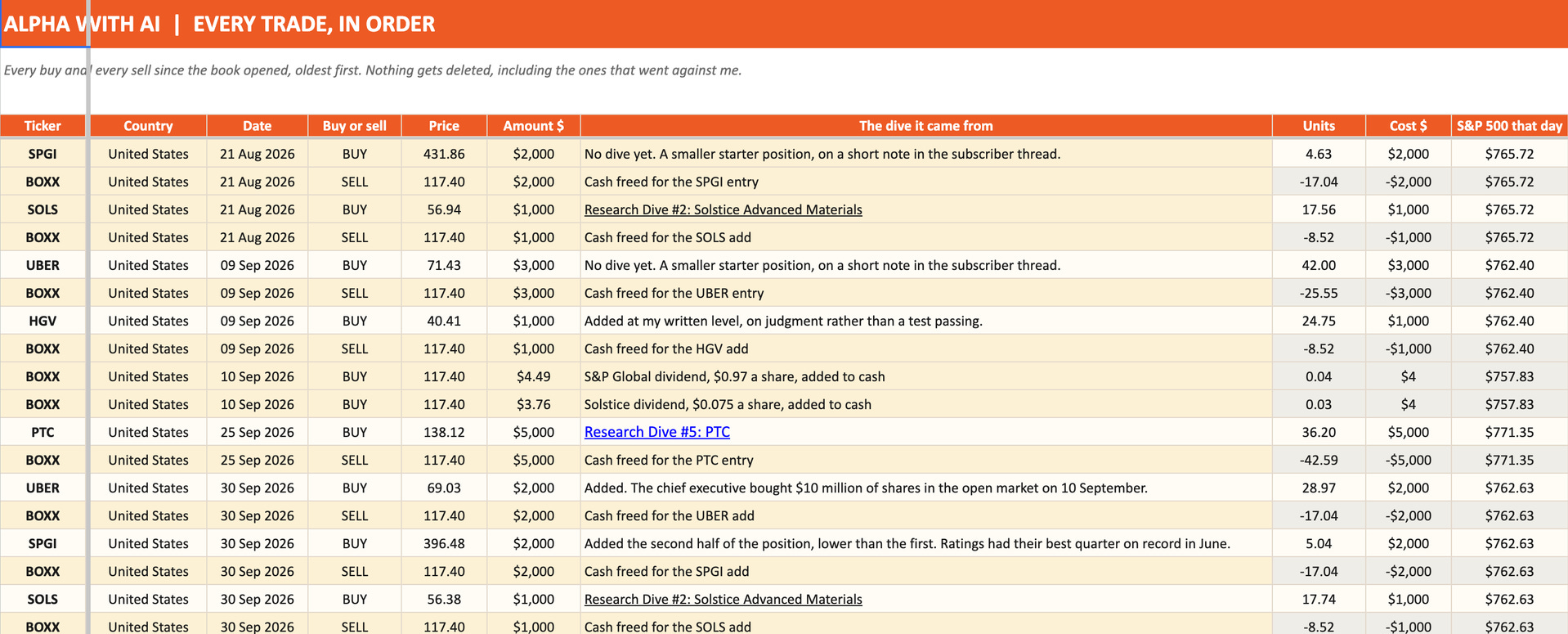
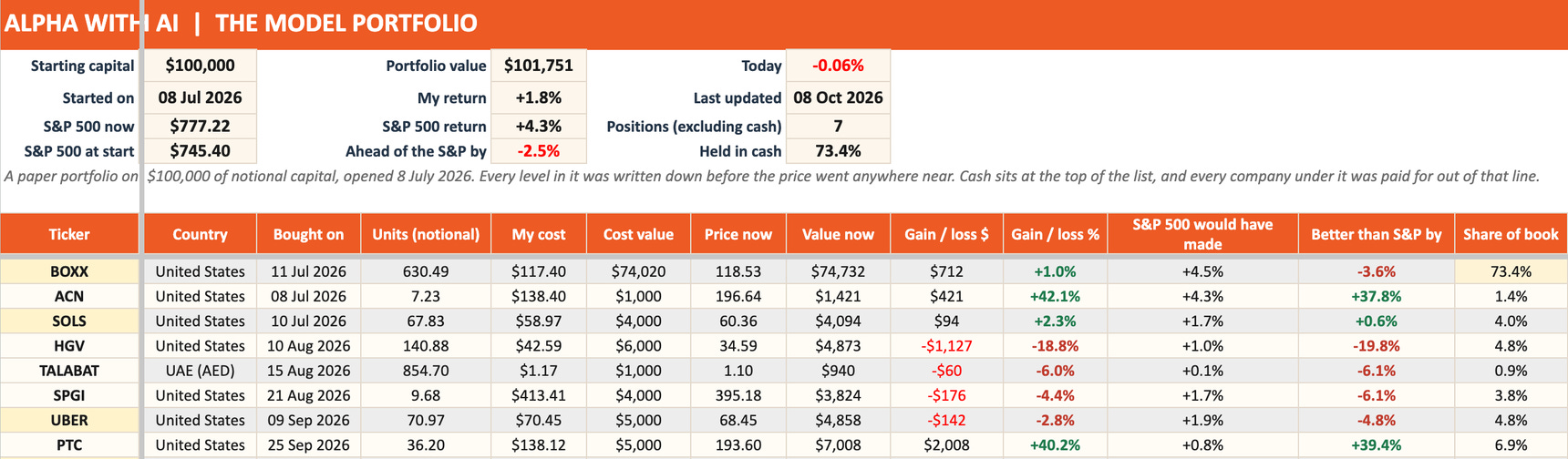
The whole book, with 73 percent of it still in cash, is up 1.8 percent since 8 July against 4.3 percent for the S&P 500, because most of the money has not been put to work yet. The seven stocks on their own are a different number, and that is the one below.
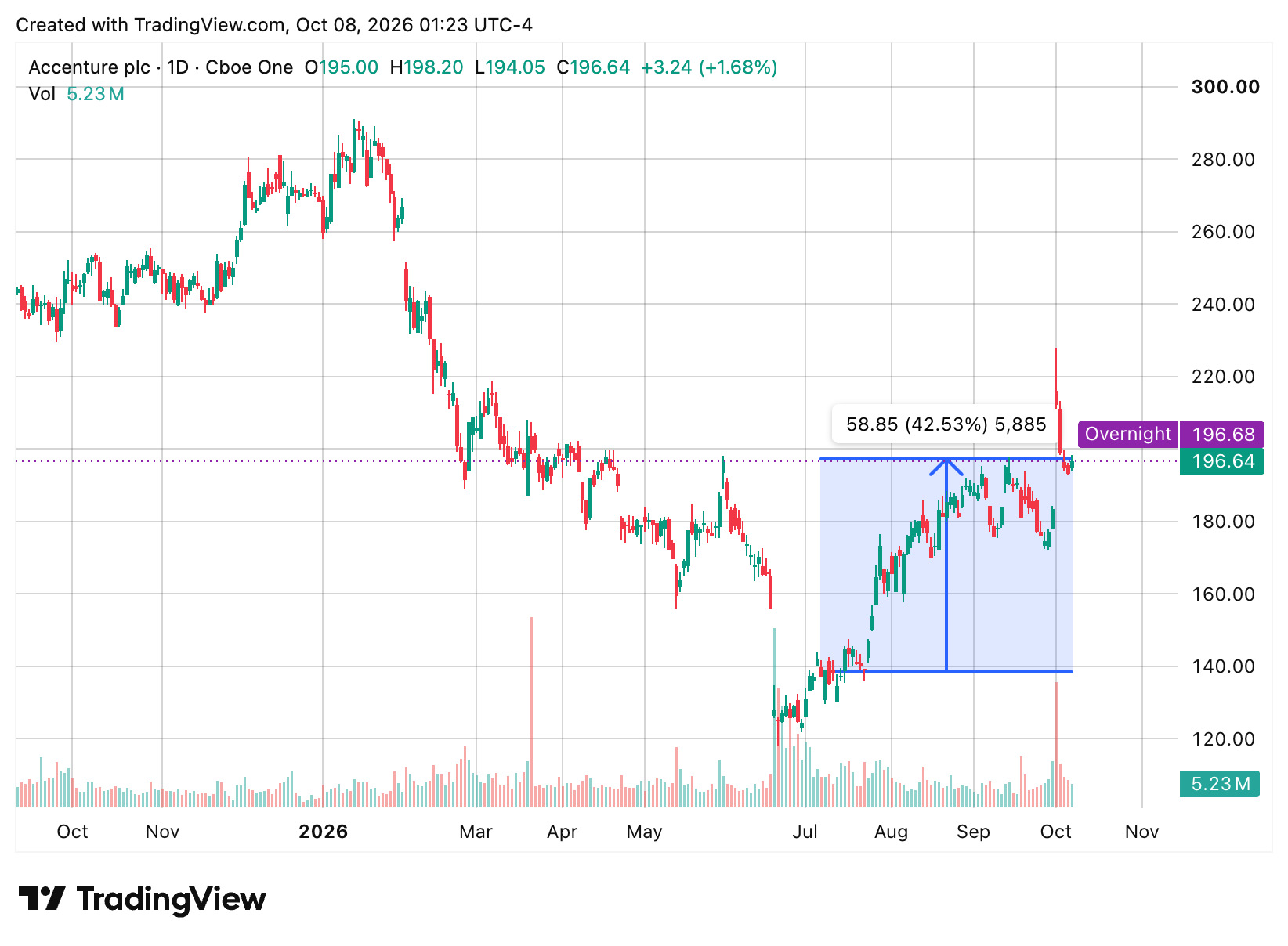
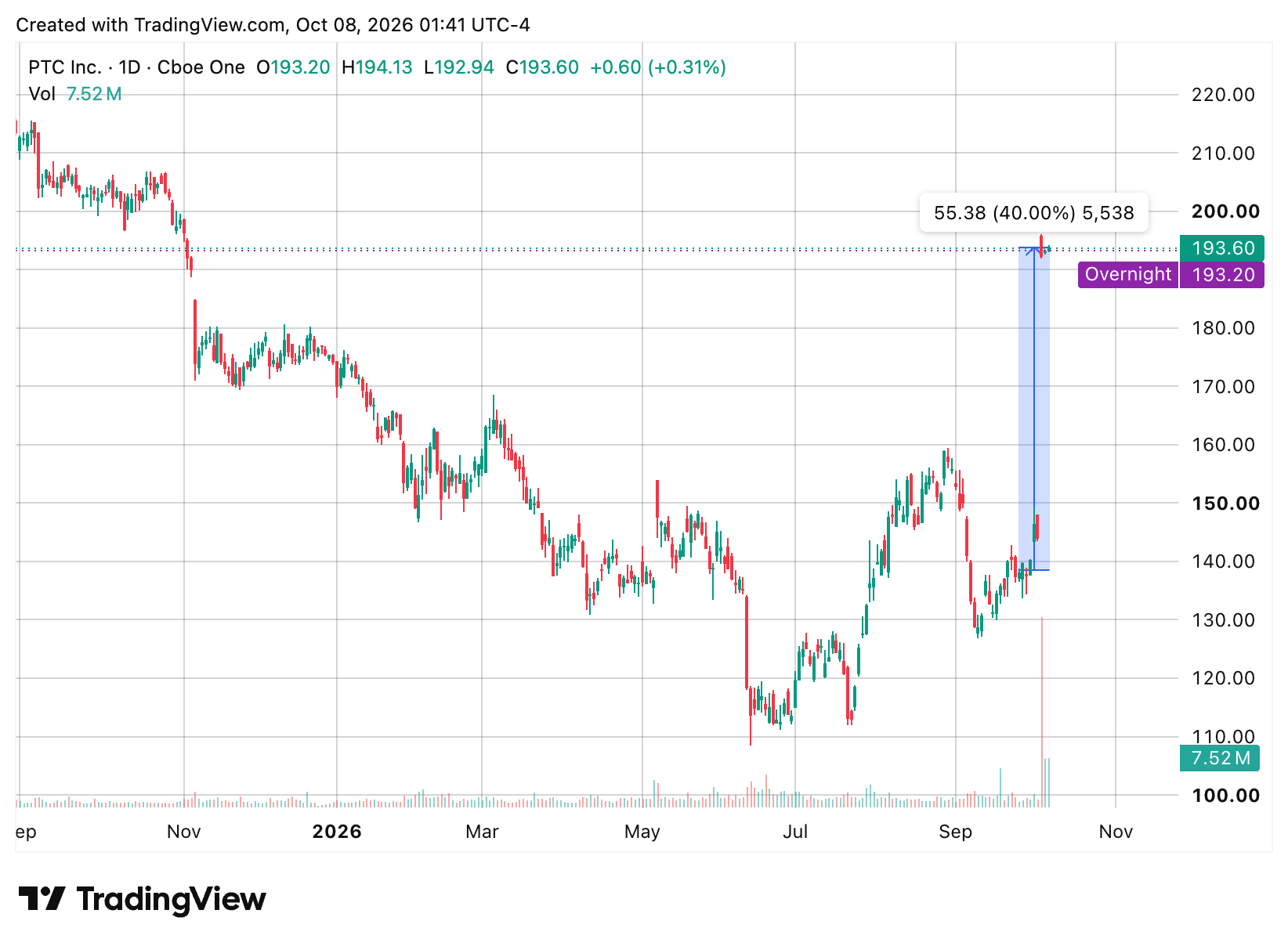
On 30 September I wrote the month into the record, and the record was not good. The seven names together were worth 4.9 percent less than I paid for them, and the same money put into the S&P 500 on the same days would have been down 0.5 percent. I was behind the index. Then the next week happened. Accenture reported on 1 October and PTC got a takeover offer on 5 October, each of those two is now up 40 percent or more on my cost, and at the 7 October close the seven together are up 3.9 percent against 1.4 percent for the index. That is one week of difference, and only one of those two moves was my call.
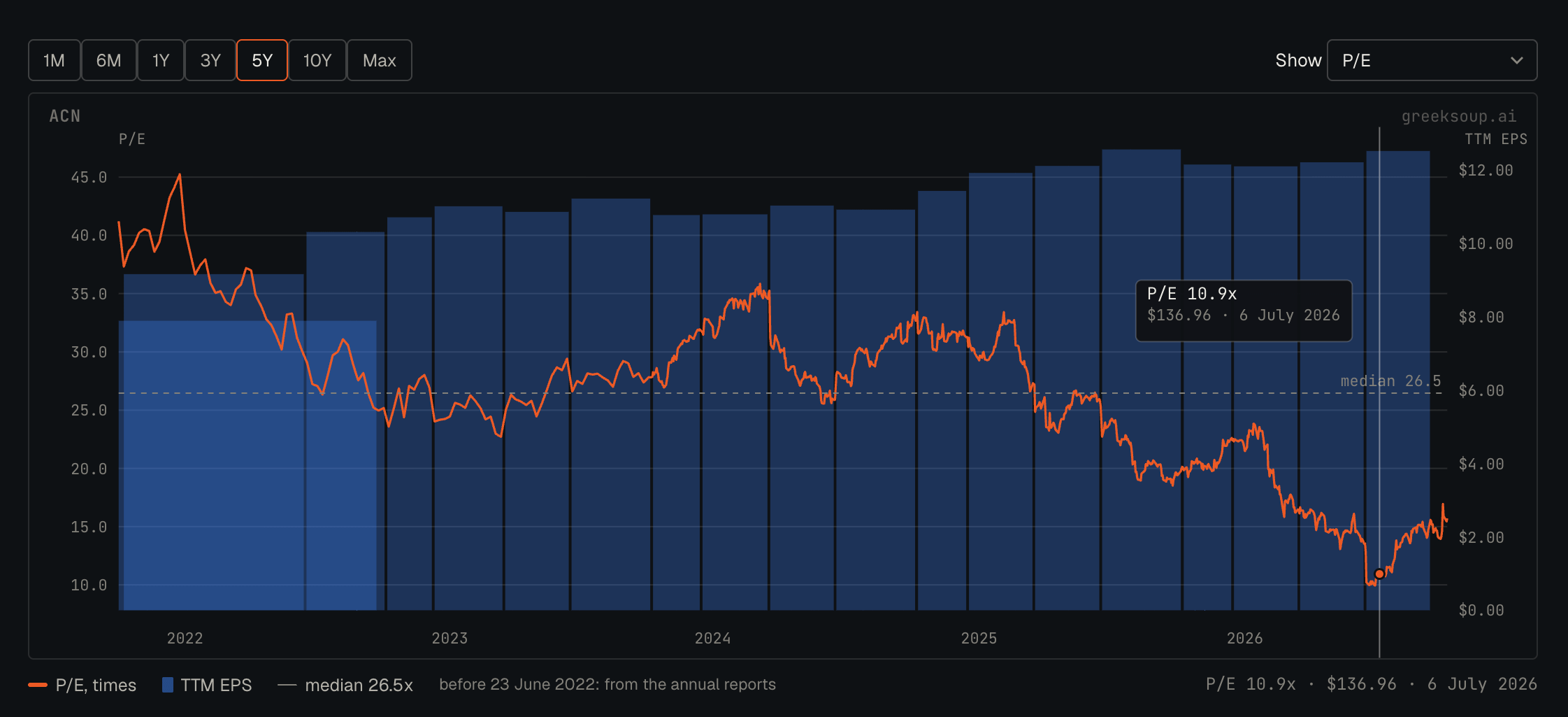
Accenture was the call. I bought it on 8 July at $138.40, when the stock was down 55 percent from its high on the fear that AI kills consulting, and the research came out on the side of owning it. Full-year results came on 1 October, the stock closed that day 16 percent higher, and it has given back about half of that jump since. I am holding it, and if it comes back to the $184 I think it is worth, I will think about adding then.
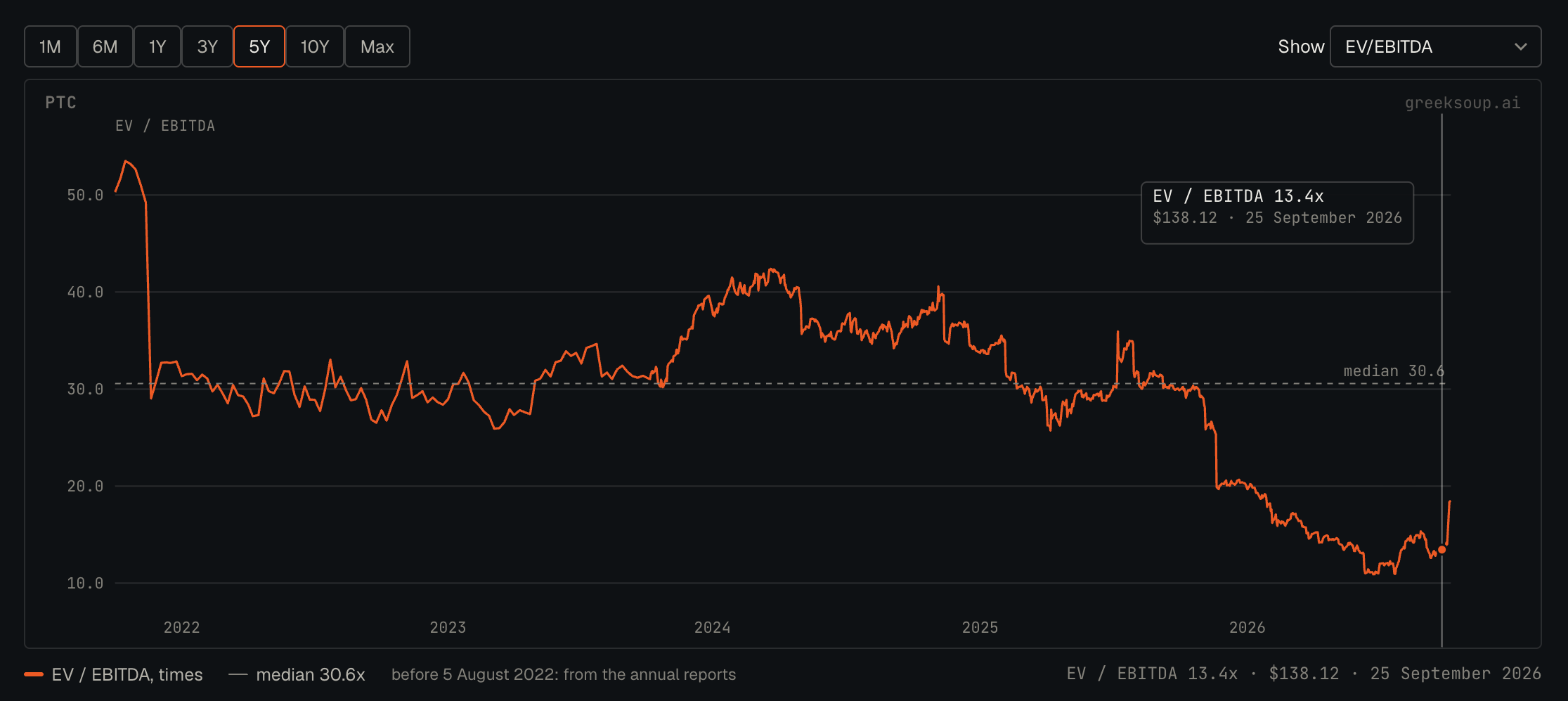
PTC was the luck. The stock had fallen 48 percent from its high to a low of $112 in June on the same AI fear, and had bounced part of the way back when I published the research on Sunday 27 September; the model portfolio took it that day at the Friday close, $138.12, still 36 percent below the high. Eight days later, on 5 October, Schneider Electric agreed to buy the company for $205 a share in cash, 42 percent above the previous close. It is not that my call succeeded. Someone decided to buy the company early, and I got lucky. What I can take credit for is that I chose it and put it in the portfolio. The stock sits about 6 percent below the offer, which needs a shareholder vote and approvals and is expected to close by the third quarter of 2027. No decision yet on whether I hold to the close or sell into the offer; I am working on it, and you will know.
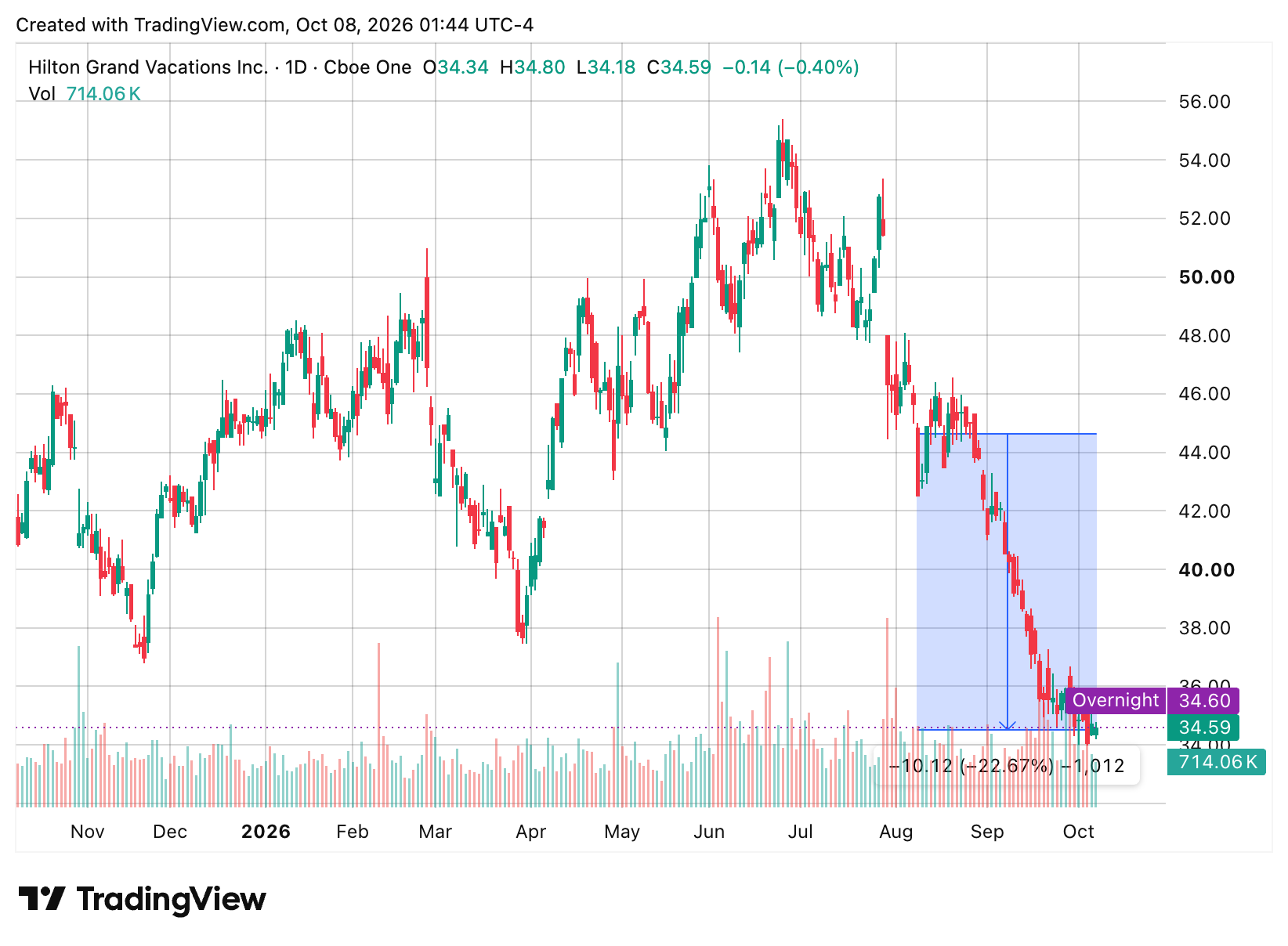
Two names up 40 percent is the easy part to write. The one I am losing on is Hilton Grand Vacations, and I bought more of it last week. I bought it on 10 August at $45.66, the day the research went out, again on 9 September at $40.41, and again on 30 September at $35.05, and at $34.59 it is 18.8 percent below my average cost. The September fall has a named cause: on 10 September the chief financial officer told a conference that sales per tour would fall again in the third quarter, by 8.6 percent or more. So why buy more? Because the loan book is the part of this business that decides everything, and the loan book is getting better: defaults in the Diamond book are down by almost 700 basis points, early delinquencies are lower than at the start of the year, and the company announced a new $600 million buyback in August. A loan book getting better while sales per tour fall reads to me like a selling problem, which new leadership is working on, and that is why I added knowing the sales number in early November will look bad. I could be wrong, and the November results will say so if I am.
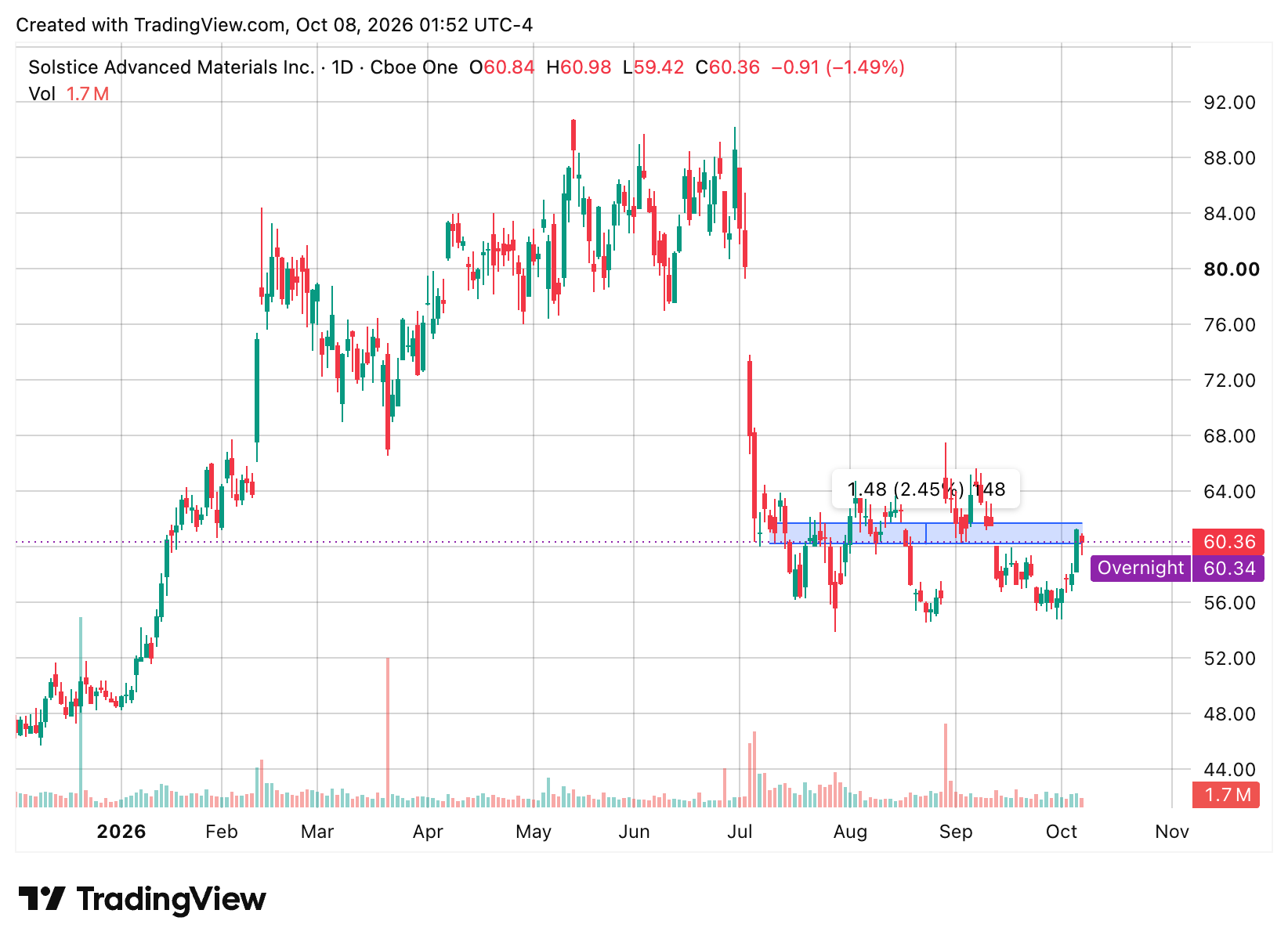
The other three US names were all added to on the same day, 30 September, and all three wait on their next results. Solstice Advanced Materials was the second name in, on 10 July, on its own research dive, and I have bought it three more times since, the last at $56.38. In between, the company called off its $14.5 billion merger with Element Solutions on 27 August, approved a $500 million buyback the same evening, and beat the top of its own guidance in the June quarter. My average cost is $58.97, the stock is 2 percent above it, and the third quarter results in early November are the first real test of the company on its own.
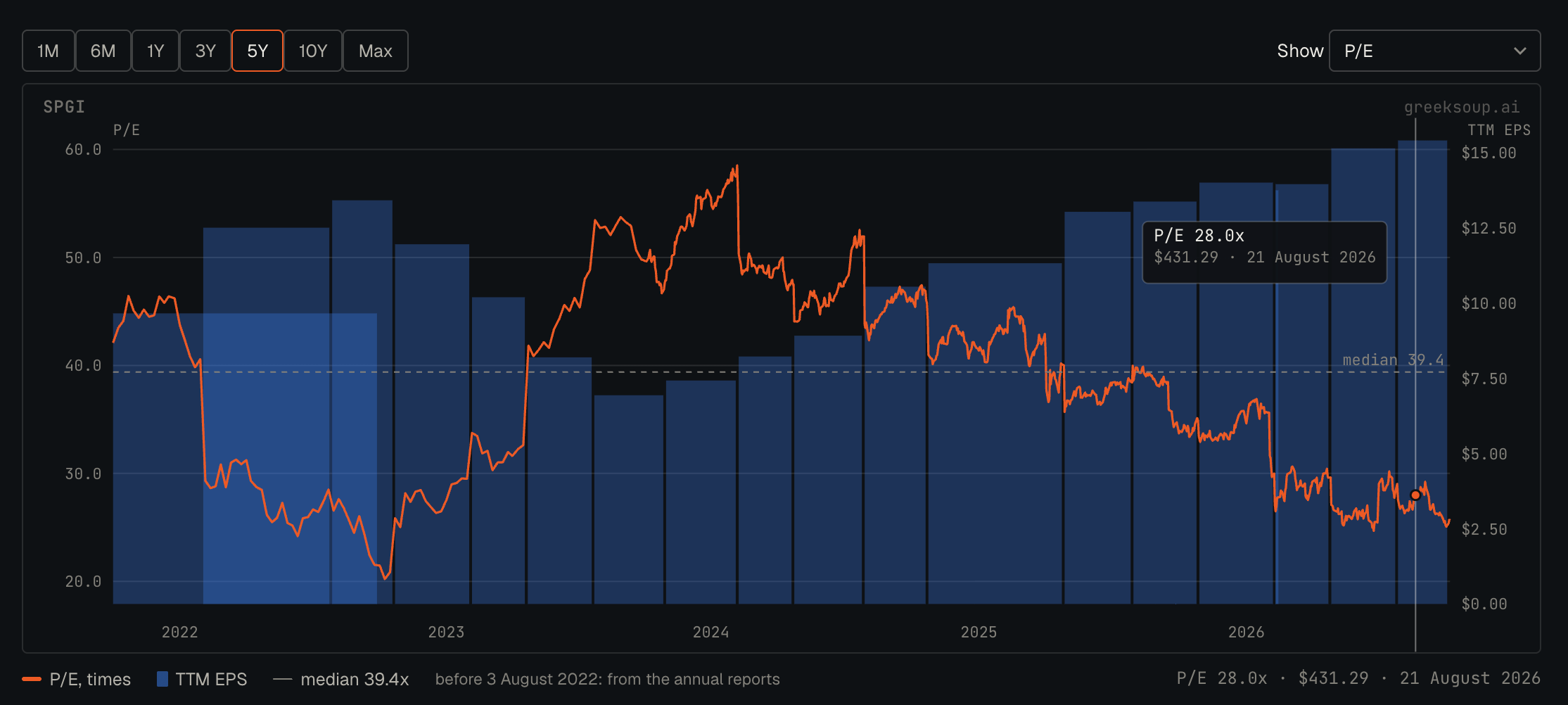
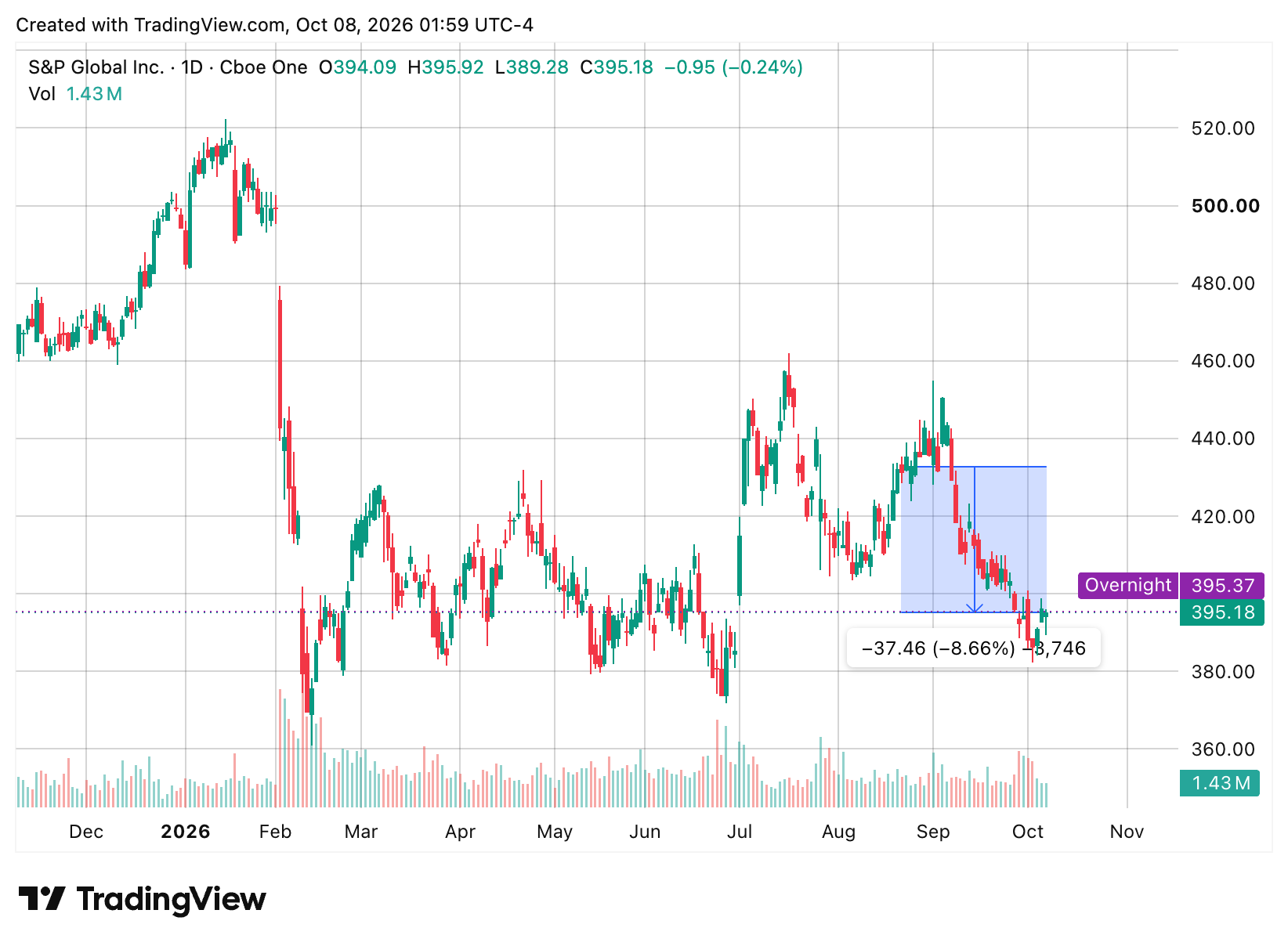
S&P Global came in on 21 August at $431.86 on a short note rather than a full dive, and I bought the second half at $396.48, about 8 percent lower. There is no research dive on it; the reasons are written up in the September letter. Ratings had their best quarter on record in June and the company raised its guidance for the year, and the fall since then has moved together with Moody’s, which tells me it is about interest rates and not the company. At $395.18 it is 4 percent below my average cost, and the next thing is the third quarter results in late October.
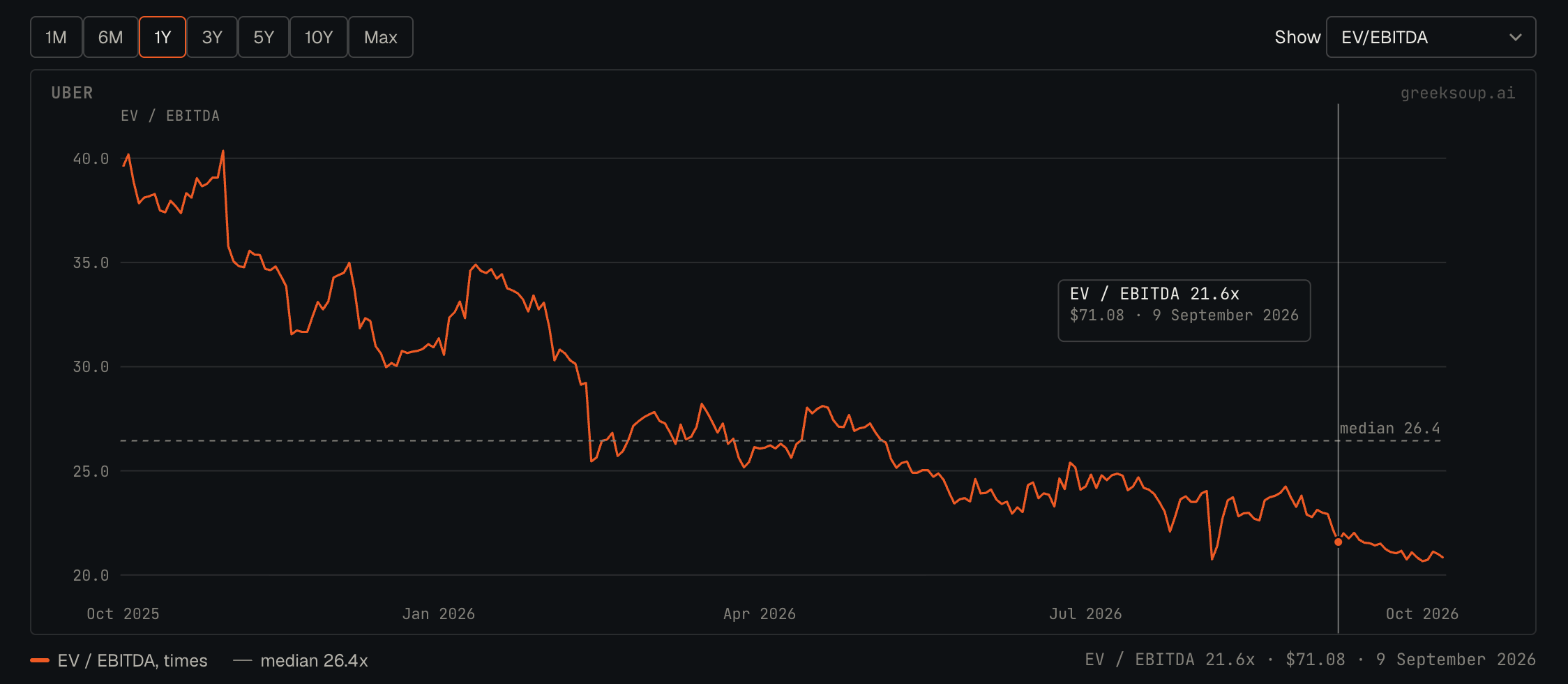
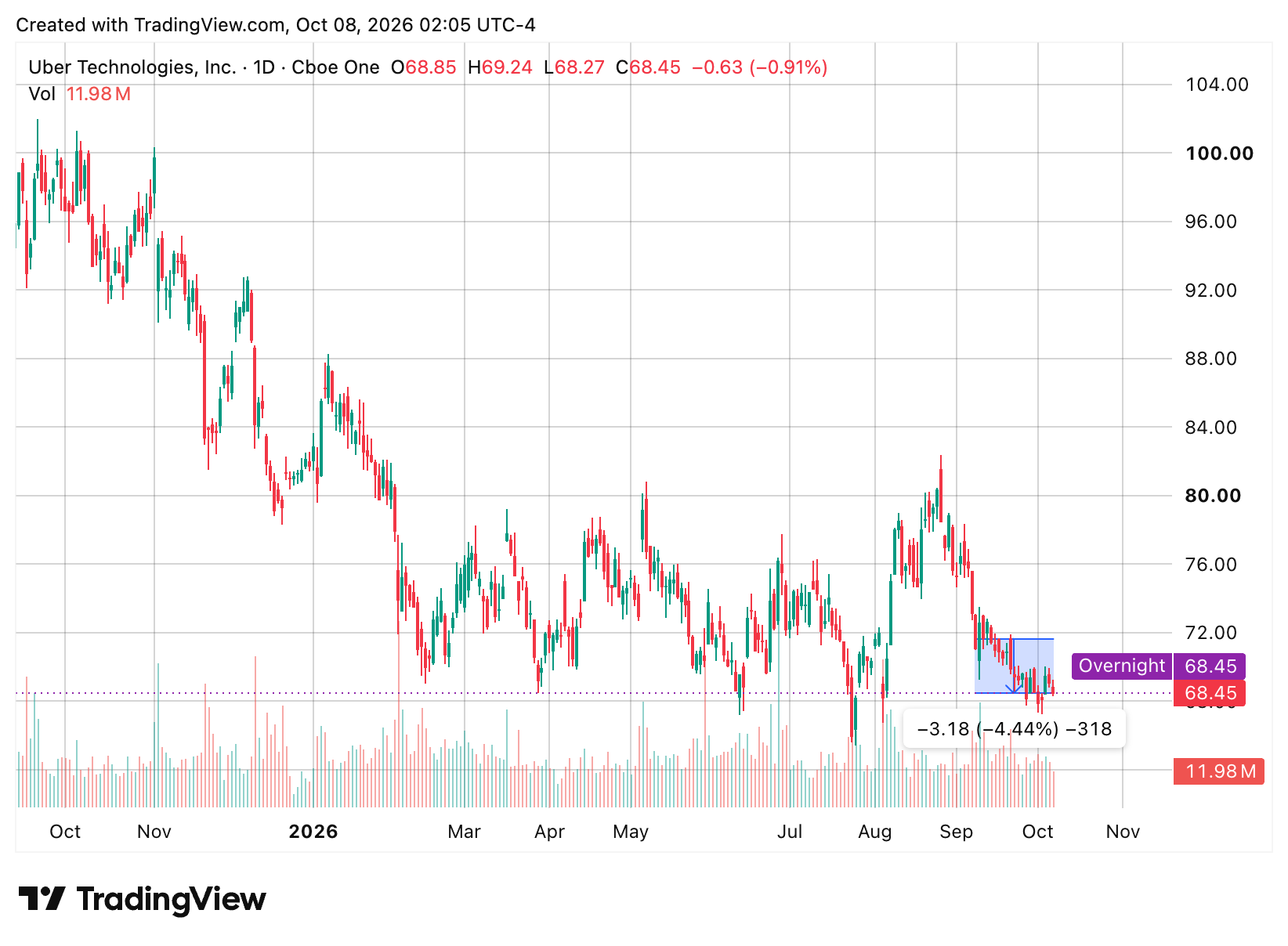
Uber came in on 9 September at $71.43, also on a short note and with no dive, and the same September letter carries the reasons. I added at $69.03. The chief executive bought $10 million of shares with his own money on 10 September at $70.96, the chief operating officer bought $5.3 million a week before that, and free cash flow over twelve months passed $10 billion for the first time in the June quarter. At $68.45 it is 3 percent below my average cost. What I am watching is the offer for Delivery Hero, which closes for acceptance on 5 November, and whether free cash flow keeps growing while the money committed to robotaxis goes up.
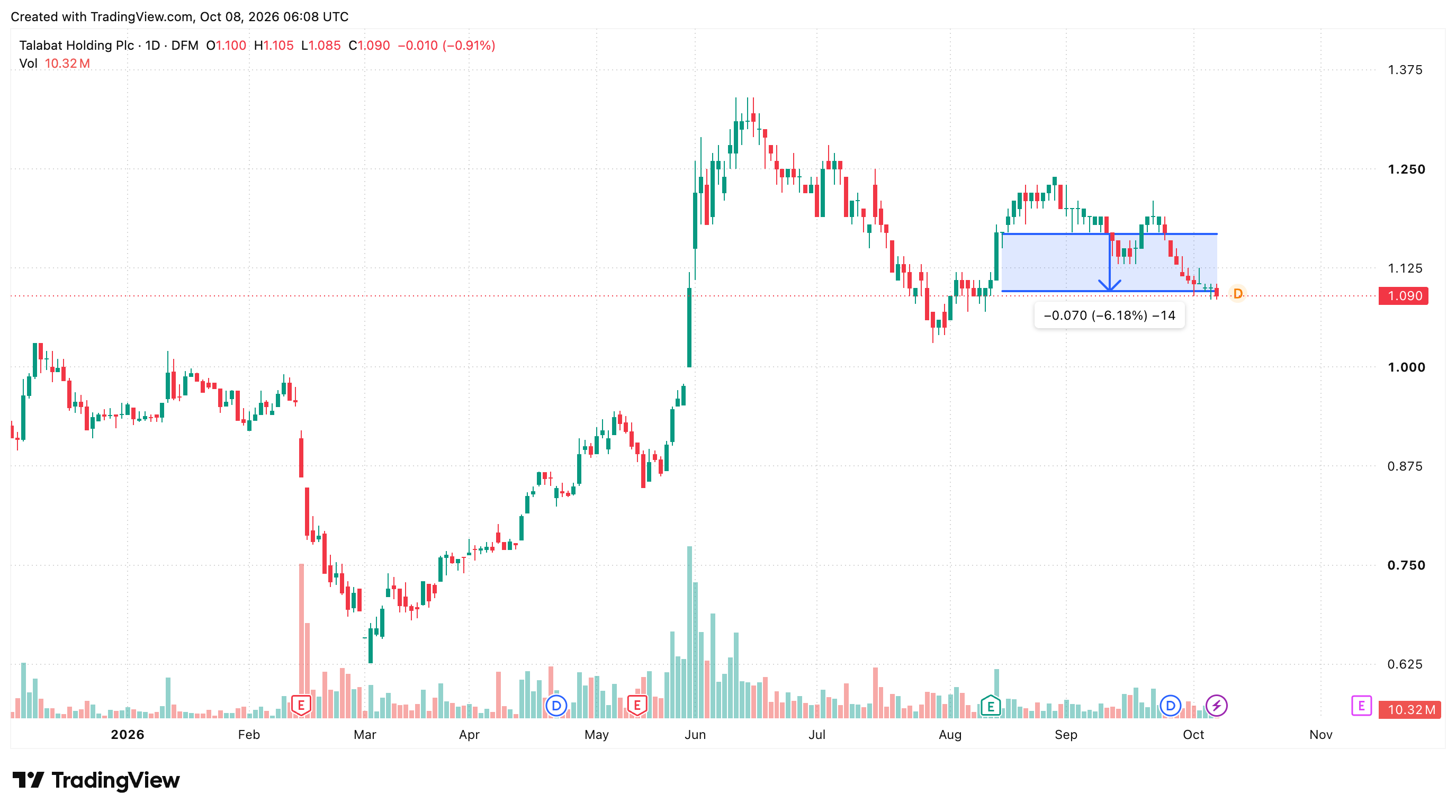
Talabat is the small one and it hangs off Uber. I bought it on 15 August at AED 1.17 on the Dubai exchange, on its own research dive, and at AED 1.10 it is 6 percent below cost. Delivery Hero owns about 80 percent of it, and Uber is buying Delivery Hero, so if that offer goes through the portfolio will own both the buyer and the minority it controls. Nothing to do on it until 5 November either.
That is the whole book as it stands: two that moved, one I am losing on and bought more of, and four waiting on their results.
What you get from Alpha with AI
What you get from me here comes down to two things. The first is the investing: the way I think about companies, which is what this whole post has been, and the stocks in the model portfolio account and the live portfolio account. I am a better product builder than I am an investor, but I think a good product builder can also become a decent investor, and that is why I do what I do here.
The second is the AI workflows, and the thinking behind them. We run consulting sessions with high-net-worth individual investors, analysts and principals at investment firms, and in each of those sessions we learn how that person researches: their frameworks, their experience and their methods. That learning, plus a great deal of experimenting and a great deal of AI usage, is how you find ways of doing certain things with AI better than most people do, and I put what I find into words, links, files and frameworks here, as the workflows. Some of them will be really useful to you and some will not, and that is what workflows built by experimenting are like.
Those two things come with a third, which is me, sometimes going off on my own insecurities and my own experiences. So what you get is a practitioner, someone who does this every day, and not a mentor or an expert. We might not be the best at what we do, but give us time, and for one particular kind of reader, the one who wants AI-based frameworks inside their own research, we are the best option.
I am going to put out all the value I can, and most of what Alpha with AI publishes will eventually move behind the paywall. If you are still working out whether there is a reason to pay, this post is that reason, and if it is not reason enough for you, then we will continue improving everyday till we give you a reason. I was not planning to write this one yet, but it needed writing, so here it is, and that is what I mean when I say I deliver.
A small note, and the only sponsor here is me. I keep getting messages asking how I set up Claude Code for stock research, beyond what the editions can teach. So I am opening a small consulting program: I set your system up with you, then support sessions over the following months as your real problems show up. I am doing a lot of other things, so seats are very few. If that is you, the waitlist is on the website or reply to this email.
Disclaimer: Alpha with AI covers US-listed and other global securities for educational and research purposes only. Everything in this post is my personal view and, where stated, my own portfolio action. The model portfolio is a model account, not real money, tracked at the entry prices on the dates shown, with the reasoning published alongside; our live portfolio account is real money and a small one, and I never combine the two. None of this is investment, legal, or tax advice, a recommendation to buy, sell, or hold any security, or tailored to anyone’s situation, and I am not a registered investment adviser or research analyst. The valuations here are my opinions with the method shown, not price targets or calls to act. I hold Accenture personally and Solstice, Hilton Grand Vacations, S&P Global and Uber in our live portfolio account, my views can change without notice, and when they do you will read about it here. Every figure traces to a primary public filing, the company’s own release or the source named beside it, but filings can be misread and models can be wrong, so verify against the source before acting on anything. AI tools, including Claude Code, were used in the research and drafting of this post, with every number checked back against the source documents. Investing carries risk, including the loss of capital. Do your own research and consult a qualified professional in your jurisdiction before making investment decisions.
Written by Shubham Borkar
Financial Clarity. Insightful Ideas.